
8 Signs You Have Hidden Water Damage in Your Gilbert Home
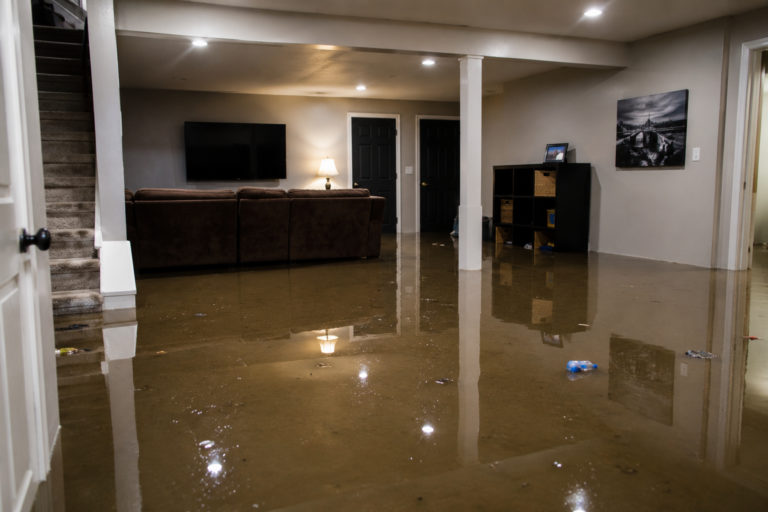
Water damage in Gilbert often starts silently. By the time you see the stain, it has been building for weeks.
(928) 393-8922Get a Free Assessment
Quick Answer
Hidden water damage in a Gilbert home most often shows up as unexplained musty odors, bubbling paint or wallpaper, warped baseboards, higher-than-normal water bills, soft spots in drywall, stained ceiling tiles, warm floor spots from slab leaks, or mold visible near HVAC registers. In Gilbert’s climate, mold can establish within 24 to 48 hours of moisture exposure.
Hidden water damage is more common in Gilbert than most homeowners realize. The climate plays a role. Arizona’s extreme heat keeps homes sealed tight all summer, which traps moisture inside walls and under flooring where it cannot evaporate. Slab-on-grade construction means there is no basement or crawl space to vent humidity away from the foundation. And the hard water flowing through every tap here accelerates corrosion inside pipes you cannot see. By the time a leak becomes obvious, it has usually been active for a while.
These are the eight signs we find most consistently when we inspect Gilbert homes for hidden water damage.
1. A Musty Odor That Does Not Go Away
This is the most common first indicator. Mold has a distinctive earthy, musty smell that differs from a dirty carpet or a pet. It lingers even after cleaning. It is often strongest in specific rooms or near specific walls. In Gilbert, we frequently find this smell concentrated near air handlers in laundry rooms and hallways where condensate lines are routed. The drain line clogs with algae, drips slowly into the drywall cavity behind the access panel, and mold quietly grows in the dark.
If you smell it, do not mask it. Find it. The source is almost always moisture, and moisture means damage is accumulating somewhere you cannot currently see. Learn more about what happens when mold is left untreated in our mold remediation guide.
2. Paint or Wallpaper That Is Bubbling or Peeling
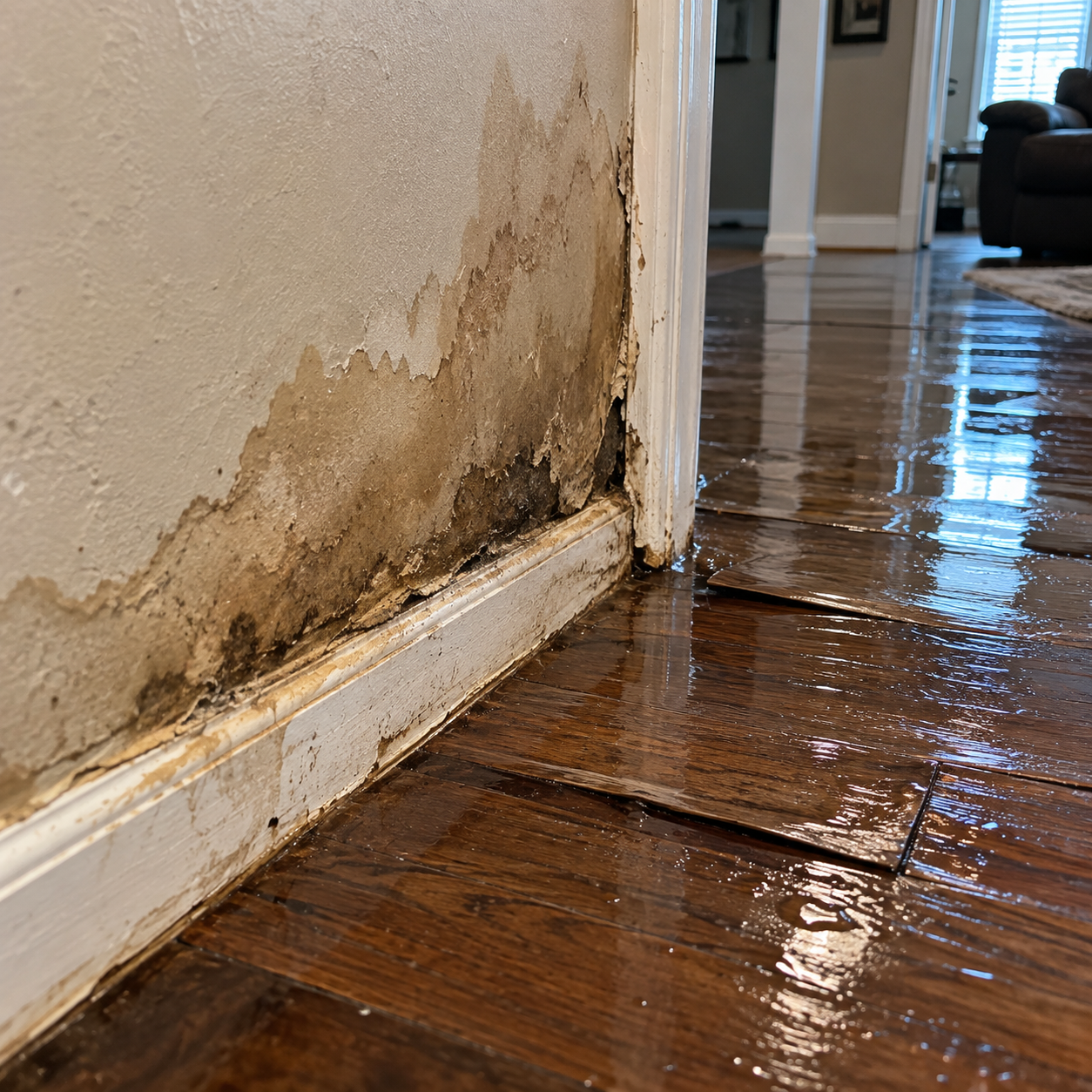
Paint and wallpaper adhesive bond to drywall. When moisture saturates the drywall behind them, that bond breaks. The surface bubbles, blisters, or begins to peel away at the edges. This is most visible in bathrooms, laundry rooms, and the wall behind refrigerators with water line connections. Older Gilbert homes built in the early 2000s with vinyl wallpaper in master bathrooms are particularly vulnerable — the wallpaper traps humidity against the drywall and accelerates the process.
A small bubble near the baseboard often means a slow pipe leak below. Do not repaint over it without investigating the wall behind it first.
3. Warped, Buckled, or Soft Baseboards
Wood baseboards are excellent moisture indicators. They swell when they absorb water and warp or buckle as they dry unevenly. Soft spots mean the material is already compromised. In Gilbert homes with hard surface tile flooring — which covers most of the living area in homes built since 2000 — swollen baseboards are sometimes the only visible sign that water is moving along the bottom of a wall from a leak source several feet away.
Slab leaks are particularly associated with this pattern. Hot water line leaks under the slab warm the floor above and travel outward until they hit a wall. The first soft baseboard may be 10 to 15 feet from the actual leak.
4. Unexplained Spikes in Your Water Bill
If your household habits have not changed but your water bill went up by 15 percent or more, you have a leak somewhere. In Gilbert, the most common culprits are slab leaks on hot water supply lines and toilet flappers running continuously. A standard Gilbert household should use 50 to 80 gallons per person per day. If your usage jumped without explanation, request a leak audit before the damage compounds.
5. Discolored or Stained Ceiling Tiles or Drywall
Brown or yellowish rings on ceilings are classic signs of water that pooled and dried, leaving behind dissolved minerals from the drywall above. In Gilbert, this pattern frequently appears directly below second-floor bathrooms, below roofline penetrations, and below the attic access hatch after a monsoon event soaks attic insulation. The stain marks the outer edge of where water traveled — the actual wet zone is often substantially larger.
Even a small ceiling stain from a year ago should be checked with a moisture meter. Drywall that appeared to dry can still harbor mold inside the wall cavity if it was never fully remediated.
6. Warm or Hot Spots on the Floor
This sign is specific to slab-on-grade homes, which means it applies to nearly every house in Gilbert. When a hot water supply line develops a pinhole leak beneath the concrete slab, warm water saturates the ground above the break and transfers heat to the floor surface. You may notice a tile section that feels noticeably warmer than the surrounding floor, or a spot where a throw rug is always slightly damp on the underside.
Slab leaks in Gilbert are accelerated by the hard water chemistry here. Copper pipes corrode internally from mineral deposits that accumulate with every gallon of water. Many Gilbert homes built between 2000 and 2010 have original copper plumbing that is now past its optimal service life for this water chemistry.
7. Mold or Dark Spots Near HVAC Registers
Gilbert air conditioning systems run almost continuously from April through October. The air handler pulls return air through the home, and if humidity levels rise inside, that moisture condenses on cold surfaces in ductwork and at registers. Dark spots or streaks near supply and return registers indicate moisture in the duct system or that the drywall near the register is absorbing condensation regularly.
According to EPA mold guidance, mold spores can begin colonizing damp surfaces within 24 to 48 hours. Duct-related mold spreads spores through every room every time the system cycles — this requires professional assessment, not surface wiping.
8. Soft Spots or Uneven Texture Under Flooring
Tile is the dominant flooring type in Gilbert homes. It does not absorb water easily, but it can pop or crack when the thinset mortar beneath it breaks down due to moisture, or when the slab shifts from a slab leak. If you notice a tile that sounds hollow when you walk on it, or a section of floor that flexes slightly underfoot, investigate before you regrout or retile.
Our water damage restoration process always includes thermal imaging to locate moisture beneath flooring before demolition begins.
Frequently Asked Questions
Request a Moisture Assessment
We will call you back within minutes.