
Flood Cleanup Gilbert AZ | Water Out Fast, Home Restored Right
Fast extraction, professional drying, and full restoration after monsoon flooding, appliance failures, and water intrusion events throughout Gilbert and the East Valley.
(928) 393-8922Get Help Now
Quick Answer
Flood cleanup in Gilbert, AZ involves extracting standing water with truck-mounted equipment, removing saturated flooring and drywall, running industrial dryers for 3 to 5 days, testing for mold, and restoring affected materials. Category 3 water from monsoon flooding requires full protective protocols and antimicrobial treatment throughout.
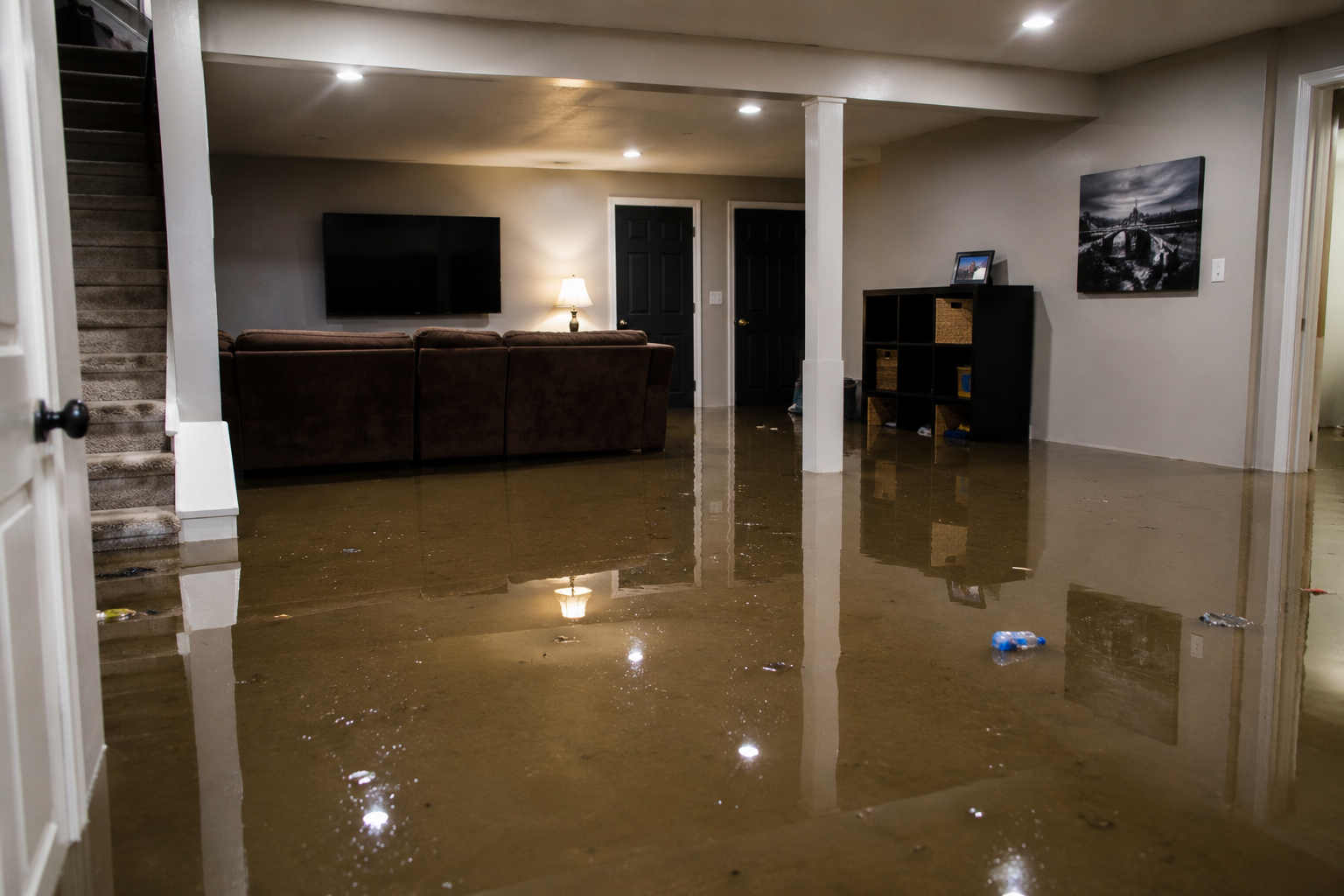
Flood cleanup in Gilbert, Arizona is not the same as mopping up a small spill. It is a structured, multi-day process that requires industrial equipment, trained technicians, and careful documentation. We serve homeowners and property managers throughout Gilbert, Chandler, Queen Creek, Mesa, and the surrounding East Valley — responding fast and working until the job is done correctly.
Gilbert’s geography creates flooding conditions that catch homeowners off guard every monsoon season. The desert floor does not absorb rainfall the way soil in wetter climates does. When one of Arizona’s intense summer storms drops a significant amount of rain in 20 to 30 minutes, the ground cannot take it. Water sheets across hardscape, ponds against foundations, and finds every gap — garage door seals, door frames, low window wells. Even homes in well-maintained subdivisions like Power Ranch or Seville are vulnerable when the storm is severe enough.
Gilbert’s Flooding Types
The San Tan River wash system and the Eastern Canal both run through or near the Gilbert and Chandler area. During severe monsoon events, these channels can overflow and affect properties in their floodplain. Most of the flooding we respond to, however, comes from three sources:
- Monsoon surface flooding: Water pushes under garage doors and through exterior door frames during heavy storm events. Even a half inch of standing water against a garage door can push gallons per minute into the space once the seal fails.
- AC condensate line overflow: Attic-mounted air handlers in Gilbert’s truss-built attics develop algae and mineral clogs in their condensate drain lines. When the line clogs, the drip pan overflows — and in a 160-degree attic, it can happen fast. Water runs down interior walls and into ceiling drywall.
- Appliance and supply line failures: Washing machine hoses, refrigerator lines, and dishwasher supply lines fail without warning. The result is often 50 to 200 gallons on the floor before anyone notices.
Water Categories and Why They Matter
Not all flood water is the same. The IICRC classifies water into three categories based on contamination level:
- Category 1 (Clean Water): From a supply line, clean tap source, or rainwater that has not contacted contaminated surfaces. Least hazardous, but still requires full drying.
- Category 2 (Grey Water): Contains chemical or biological contamination. Washing machine overflow, toilet tank overflow, and dishwasher leaks fall here. Requires protective handling and treatment.
- Category 3 (Black Water): Sewage, flood water that has contacted the ground outside, or water that has been standing long enough to grow significant bacteria. Requires full protective protocols, specialized disposal, and antimicrobial treatment of all contacted surfaces.
Monsoon flooding in Gilbert is typically category three because the water contacts exterior soil, landscape, and drainage before entering your home. We treat it accordingly — full PPE, proper disposal, and treatment of every affected surface before drying begins.
The Health Risks of Standing Water
Standing water inside a home creates immediate health risks. Bacteria multiply rapidly in warm, humid conditions, and Gilbert’s indoor temperatures during summer — even in an air-conditioned home — are favorable for fast growth. Beyond bacteria, standing water saturates drywall and insulation, creating the exact conditions mold needs to establish within 24 to 48 hours. Once mold is in your walls, you are looking at a mold remediation project on top of the flood cleanup.
Children, elderly residents, and anyone with respiratory sensitivities are particularly vulnerable to mold exposure. We move quickly specifically because the health stakes rise fast after a flood event.
Our Flood Cleanup Process
Immediate Water Extraction
We extract all standing water using truck-mounted and portable extraction units. This includes pulling water from under flooring materials, not just from the surface.
Contaminated Material Removal
Saturated carpet, pad, flooring, and drywall below the flood line are removed and properly disposed of. Porous materials contaminated by category two or three water cannot be dried in place.
Antimicrobial Treatment
All affected structural surfaces are treated with EPA-registered antimicrobial agents before drying equipment is placed.
Structural Drying
Industrial air movers and dehumidifiers run for 3 to 5 days. We take daily readings and adjust equipment placement as moisture levels drop.
Mold Testing and Clearance
Post-drying mold testing confirms the area is clear before rebuild begins. We do not close walls until the numbers confirm it.
Rebuild and Restoration
We handle drywall, flooring, paint, and all finish work. One company, start to finish.
Insurance Documentation for Flood Claims
Flood claims from external water sources are typically handled under a separate flood insurance policy rather than standard homeowners coverage. However, many flooding events in Gilbert — particularly those caused by AC condensate overflow or appliance failures — are covered under standard homeowners policies. We photograph and document everything from the moment we arrive and provide your adjuster with a complete loss package. Learn more about preparing for floods at ready.gov/floods.
Our full water damage restoration service covers every step from initial extraction through final rebuild. Contact us any time of day or night.
Frequently Asked Questions
Request Flood Cleanup Service
We will call you back within minutes.