
7 Questions to Ask a Water Damage Company in Gilbert Before You Hire Them
Not every company that shows up fast does the job right. Ask these questions before you sign anything.
(928) 393-8922Request Emergency Help
Quick Answer
To choose a water damage company in Gilbert, verify IICRC certification, confirm they own their own equipment, ask whether they handle insurance documentation directly, and check that they perform moisture testing before and after drying. Response time matters less than thoroughness — a crew that arrives in 30 minutes but leaves equipment unmonitored for 3 days causes more damage than it prevents.
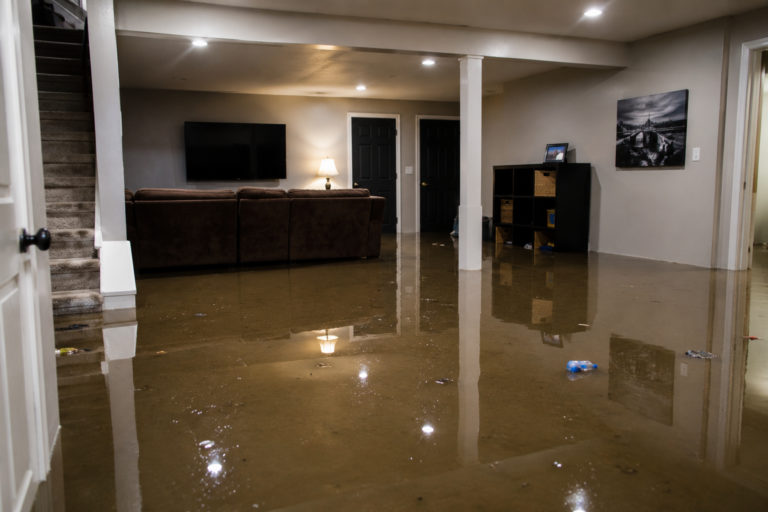
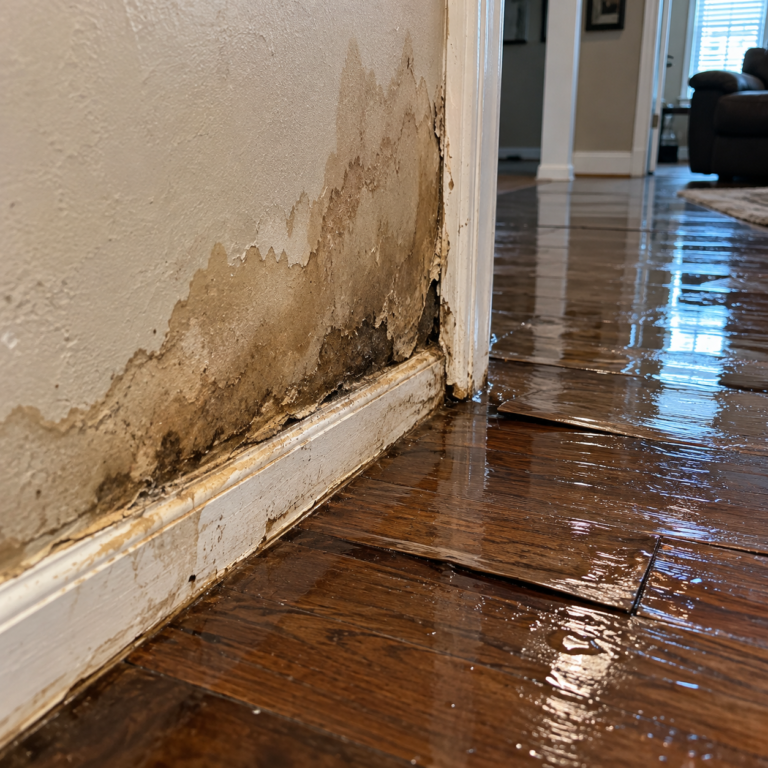
Water damage hits at the worst possible times. A burst pipe at 11 p.m., a flooded living room the morning after a monsoon, a black ceiling stain that turns out to be an active slab leak. The urgency is real. But urgency is also exactly when people make quick decisions about which company to hire — and those decisions matter a lot more than most homeowners realize.
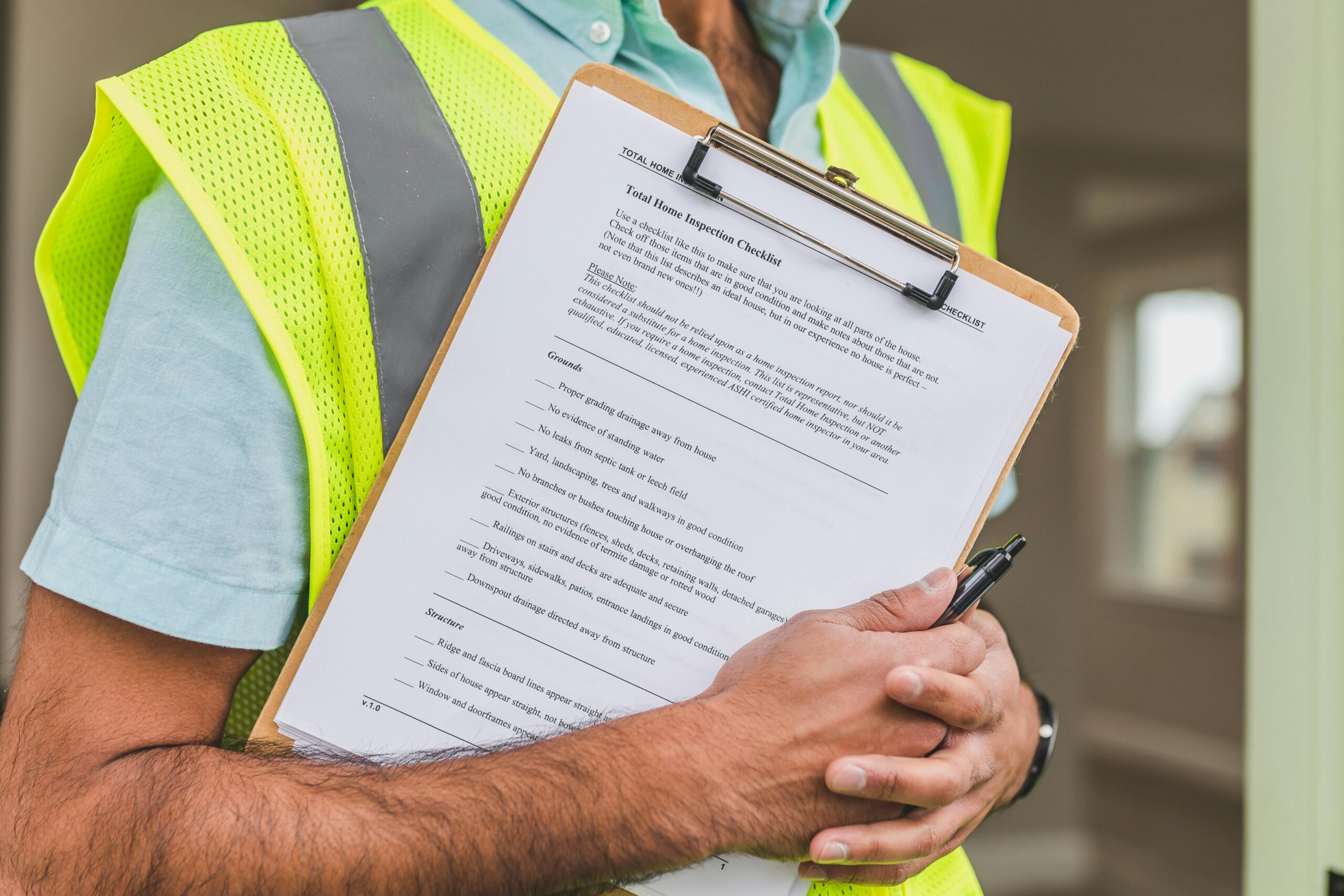
Gilbert has no shortage of water damage companies. Some are excellent. Some arrive fast, dry the obvious surface water, and leave before the job is actually done. Asking these seven questions before you hire anyone takes about ten minutes and can save you thousands in secondary damage and claim disputes.
1. Are Your Technicians IICRC Certified?
The Institute of Inspection, Cleaning and Restoration Certification (IICRC) is the industry’s governing certification body for water damage restoration. Their Water Damage Restoration Technician (WRT) and Applied Structural Drying (ASD) certifications require documented training, field experience, and passing written exams. A certified technician knows the difference between water damage classes, understands psychrometrics, and knows how to set drying equipment correctly for a specific room’s volume and materials.
Ask for the technician’s certification number. IICRC maintains a public directory. If a company says their technicians are “trained” but cannot produce a certification number, that is not equivalent.
2. Do You Own Your Equipment or Subcontract It?
Some restoration companies do not own the industrial air movers, dehumidifiers, and extraction machines they use. They rent from equipment companies and bill the cost through your insurance claim. When a company owns its equipment, it knows the condition of each unit, can replace a malfunctioning dehumidifier within hours, and is responsible for setting everything correctly. When equipment is subcontracted, crews sometimes drop units and disappear, leaving no one monitoring the drying process.
Ask whether the equipment on-site is owned by the company. Ask whether a technician will visit daily to check readings. Daily monitoring is standard on a properly run job.
3. How Will You Document the Damage for My Insurance Claim?
Insurance companies require specific documentation: moisture readings at multiple locations before drying begins, daily psychrometric logs showing temperature, relative humidity, and dew point, photographs of all affected areas, and written scope of work. A company that does not provide this documentation is leaving you exposed if the adjuster disputes the extent of damage.
Ask specifically: “Will you provide written moisture readings taken before and after drying?” and “Will you produce a daily drying log?”
4. Do You Bill Insurance Directly or Do I Pay Out of Pocket?
Most established water damage companies in Gilbert work directly with insurance carriers. They bill the insurance company and you pay your deductible. Some require payment upfront. The latter arrangement is not necessarily a red flag on its own, but if a company insists on full payment before any insurance involvement, ask why and confirm with your adjuster before agreeing.
Also ask whether they have experience working with Arizona carriers that dominate the Gilbert market — State Farm, American Family, Farmers, USAA, and Allstate collectively cover the majority of homes here.
5. What Is Your Actual Response Time in Gilbert?
Every water damage company advertises fast response. The specific answer matters. A company based on Phoenix’s west side may take 90 minutes to reach a home in Gilbert even on a good day. Ask where they dispatch from and what their average arrival time is for Gilbert addresses specifically. For active flooding, the difference between 45 minutes and 90 minutes is real structural damage.
Our target for Gilbert is 60 minutes or less from the moment you call. That number is based on our actual location in the East Valley, not a marketing claim.
6. How Do You Determine When the Job Is Complete?
This is the question most homeowners never think to ask. A drying job is not complete when the surface feels dry or when equipment has been running for three days. It is complete when moisture readings in affected materials return to normal dry standards — typically below 15 percent for wood and below 1 percent for concrete, measured at multiple locations throughout the affected zone.
Ask: “What specific moisture reading targets do you use to confirm drying is complete?” If they cannot give you a number, they are guessing. Equipment removed too early leaves residual moisture that continues to feed mold growth after the company has left.
7. Will You Handle the Rebuild or Just the Mitigation?
Water damage restoration typically involves two phases: mitigation (stopping the damage and drying the structure) and rebuild (replacing drywall, flooring, cabinets, and other materials removed during mitigation). Some companies handle both. Others do only mitigation and you coordinate separately with a contractor for rebuild.
Neither model is inherently better, but you need to know which applies before you sign. If the company does only mitigation, ask for references from contractors they work with in Gilbert. See our full water damage restoration page and our About page for how we handle both phases.
Red Flags to Watch For
- Requiring you to sign over your insurance claim (Assignment of Benefits). AOB arrangements in Arizona have produced significant disputes. You retain the right to manage your own claim.
- Refusing to give a written estimate before starting work. Emergency extraction is reasonable to begin immediately, but a written scope should follow within hours of assessment.
- Promising to cover your deductible. This is insurance fraud in Arizona.
- Setting equipment and not returning for days. Drying jobs require daily monitoring.
- Telling you mold “probably won’t be a problem.” In Gilbert’s climate, untreated moisture almost always produces mold within 24 to 48 hours.
Frequently Asked Questions
Get a Free Assessment
We will call you back within minutes.